Signs the gate is trying to tell you
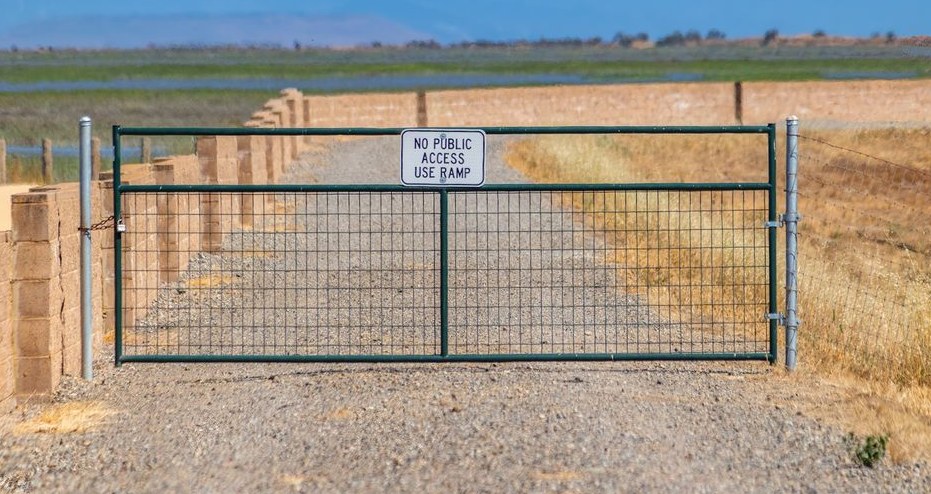
The first clue is usually that the gate doesn't sit where it used to. It drops at one corner, rubs where it should clear, or takes two hands to pull back into line. Those aren't cosmetic complaints. Some part of the metal is carrying load it wasn't carrying before.
Then look at the seams and thin panels. A crack, a lifted edge, a rough old weld bead, or a ripple in the sheet points to a weld that has failed or metal that has distorted. When a seam opens, the metal around it has usually moved first. Hurricane exposure is low in Grove City, so we start with the welds and how the gate has been used, not storm damage.
Where the failure starts
A gate is a frame of welded sheet-metal pieces, and the flat panel is rarely the weak point. The joint is, because that's where two pieces were fused and where the gate's movement keeps working on the metal. Once a weld run has lost its shape, the metal around it can shift and the gap grows.
Thin metal makes a repair harder because it distorts and overheats faster than heavier plate. A repair that fills the crack but leaves the gate twisted hasn't fixed anything.

Reading the failure before we weld
Before we strike an arc, we work out why the joint gave way. We look at the old weld's shape, check how far the sheet has pulled out of position, and see whether the pieces can be brought back into line. If the metal is badly distorted, adding weld won't make the gate hang right. The repair has to correct the shape as well as close the crack.
We have both a MIG welding machine and a TIG welding machine. Which one we use depends on the joint and on how little heat the thin metal around it can take.
During the weld and after it
While the arc is running, we monitor the welding parameters, the cleaning and shape of each weld run, the welding sequence, and distortion. The sequence matters most on a gate, because welding in the wrong order pulls the frame out of square even when every bead looks good.
When the welding is finished, we grind the weld and sand the surface smooth. We take care not to overheat the thin metal while doing it. Last, we check that the repaired gate still sits in line.
What it costs
Fabricated sheet-metal welding runs $750 to $2,500 per job. A contained seam repair with little distortion sits at the low end. A gate that needs more welding, more shaping back into line, or careful heat control across thin panels moves toward the high end, because the sequencing and finishing take longer.
Inside the Job
A visual look at what the service involves.

Our Process
-
Tell Us What's Going On
A two-minute call is enough to tell us what we're working with and what to check first.
-
On-Site Inspection
We come out, measure what's actually happening, and walk you through what we find.
-
Know the Price First
We put the fix, the timeline, and the number on paper — take your time with it.
In practice, on a job like this:
- Grind the completed weld and sand the surface smooth, taking care not to overheat thin metal.
- After welding, visually check weld completeness and dimensions, and check the finished construction's shape and tolerances.
What to Expect to Pay
These are planning ranges. Nothing is final until it is in writing.
$65–$135
$150–$350
Communities We Cover
We cover Grove City, OH. Call (380) 979-0282 to confirm coverage for your address.
More Ways We Can Help
How We Do Business
Need help today? Call (380) 979-0282.