What goes wrong first
People rarely notice a dramatic break. They notice a line that looks off: a railing panel that used to sit flat now shows a ripple, a stair component has a visible bend, or a weld area no longer cleans up the way it should.
Thin sheet metal doesn't just crack and quit. It distorts. Heat from welding, or a weld that wasn't controlled, pulls the metal out of shape, and a joint in that condition is working harder than it was built to. Cold continental winters with hard freezes give a railing or stair that's already out of true no easy ride, so we'd rather fix it properly than patch the look.
So we don't treat the visible bump as the whole problem. The shape of the weld run, how clean it is, and whether the surrounding metal has moved show us where the failure actually sits.
How we read it before touching it
We look at the whole assembly first, not just the bad-looking spot. Is the panel true? Is the weld run even? Does the metal show distortion around the joint? A repair that ignores those signs puts the same area back under stress.
Then we plan around heat. Thin sheet metal keeps moving if too much energy goes in too fast, so the plan is never just a quick weld. We set the welding parameters, pick a sequence that doesn't stack distortion in one place, and watch the shape of each run as it goes.
If we can see where the metal wants to pull, we can set the repair up to fight that pull instead of feeding it.
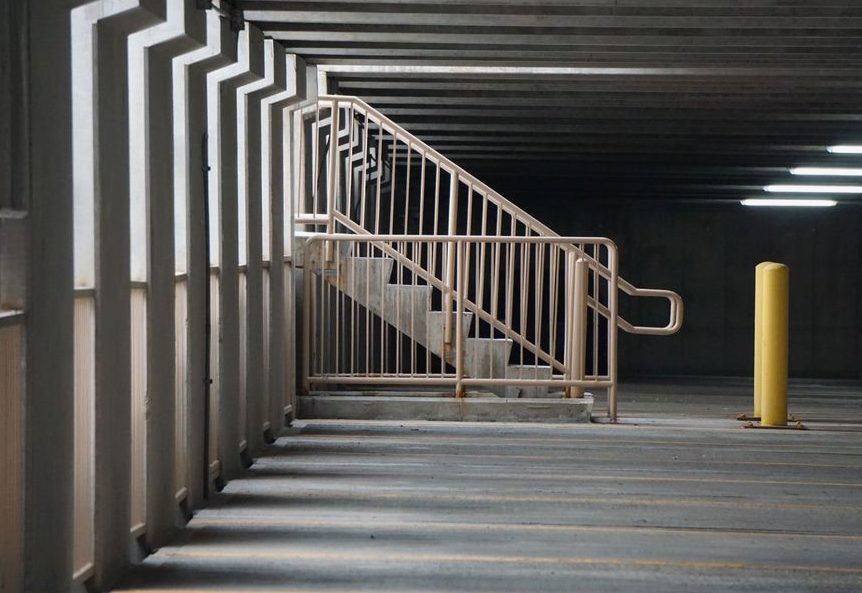
The weld method that protects thin metal
On thin sheet metal we weld in short bursts. We strike, stop, let the metal cool, check the shape, and go again if needed. The cooling between welds is what limits distortion.
While we work we monitor the cleaning and shape of each weld run. A run that looks complete on the surface can still be pulling the panel sideways, and a dirty or poorly shaped weld can hide where the stress is heading next. The order of the welds decides whether heat spreads evenly or collects in one weak corner.
When the metal needs nudging back into line, we use a hammer and dolly, which lets us work the shape without brute force. Filler is ER70S-6 wire.
What it costs
Repair pricing follows the metal in front of us: how much distortion there is, how many weld runs need cleaning or reshaping, and whether the job needs controlled bursts and cooling cycles instead of one long pass. There's no single flat number for every railing or stair, because the condition of the thin sheet metal drives the labor.
If a small metal gate installation is part of the same visit, that piece runs $400-$1200, and we scope it together with the weld work.
The temptation once the heat is moving through a panel is to blast through and be done. Thin sheet metal doesn't reward that, so final cosmetic cleanup is what waits, never the cooling or the sequence.
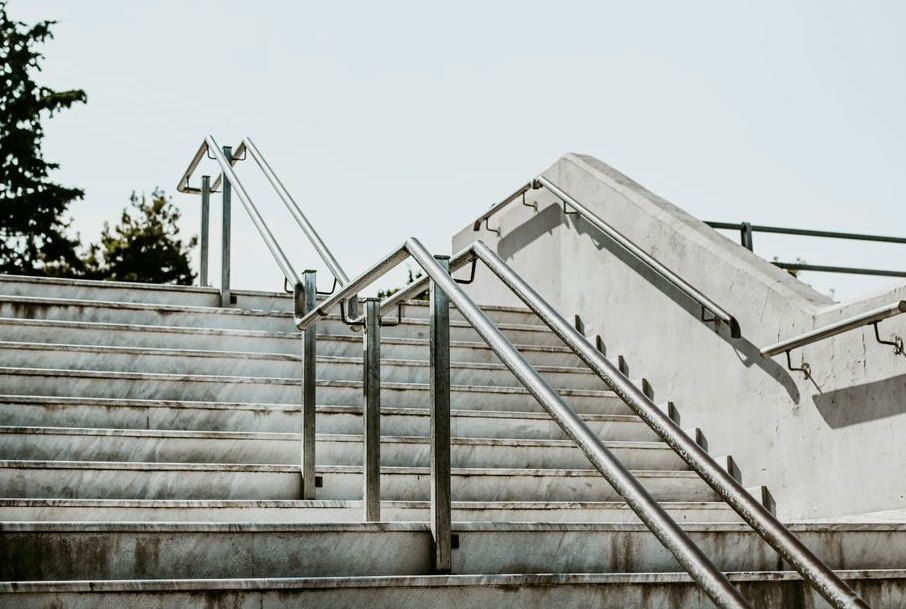
Inside the Job
A visual look at what the service involves.

Our Process
-
Tell Us What's Going On
A two-minute call is enough to tell us what we're working with and what to check first.
-
On-Site Inspection
We come out, measure what's actually happening, and walk you through what we find.
-
Know the Price First
We put the fix, the timeline, and the number on paper — take your time with it.
In practice, on a job like this:
- Review the project scope, design needs, materials, and timeline before fabricating and installing the metalwork.
- Before welding, check the base material and consumables, joint preparation, fit-up, jigging, tacking, and the specified welding procedure.
What to Expect to Pay
These are planning ranges. Nothing is final until it is in writing.
$150–$350
Communities We Cover
We cover Grove City, OH. Call (380) 979-0282 to confirm coverage for your address.
More Ways We Can Help
How We Do Business
Need help today? Call (380) 979-0282.